No Products in the Cart


This article is based on our experience reviewing thousands of toys while operating a sustainable toy store focused on safe and eco-friendly products.
As we rapidly move into the 2020s and beyond, one topic seems to come up repeatedly in the toy industry: Are toys made in China safe?
We occasionally read headlines about toy recalls, toxic materials, unsafe manufacturing practices, and troubling labor conditions. These stories raise an important question for parents trying to make thoughtful choices for their children.
Have we actually made progress in toy manufacturing over the past twenty years? Or are Chinese-manufactured toys simply flooding the global marketplace through online platforms like Amazon?
In this article I explore:
Some toys manufactured in China meet safety standards, but many inexpensive toys sold online lack transparency about materials, testing, and manufacturing oversight.
Some inexpensive toys contain PVC, phthalates, lead, flame retardants, and volatile organic compounds.
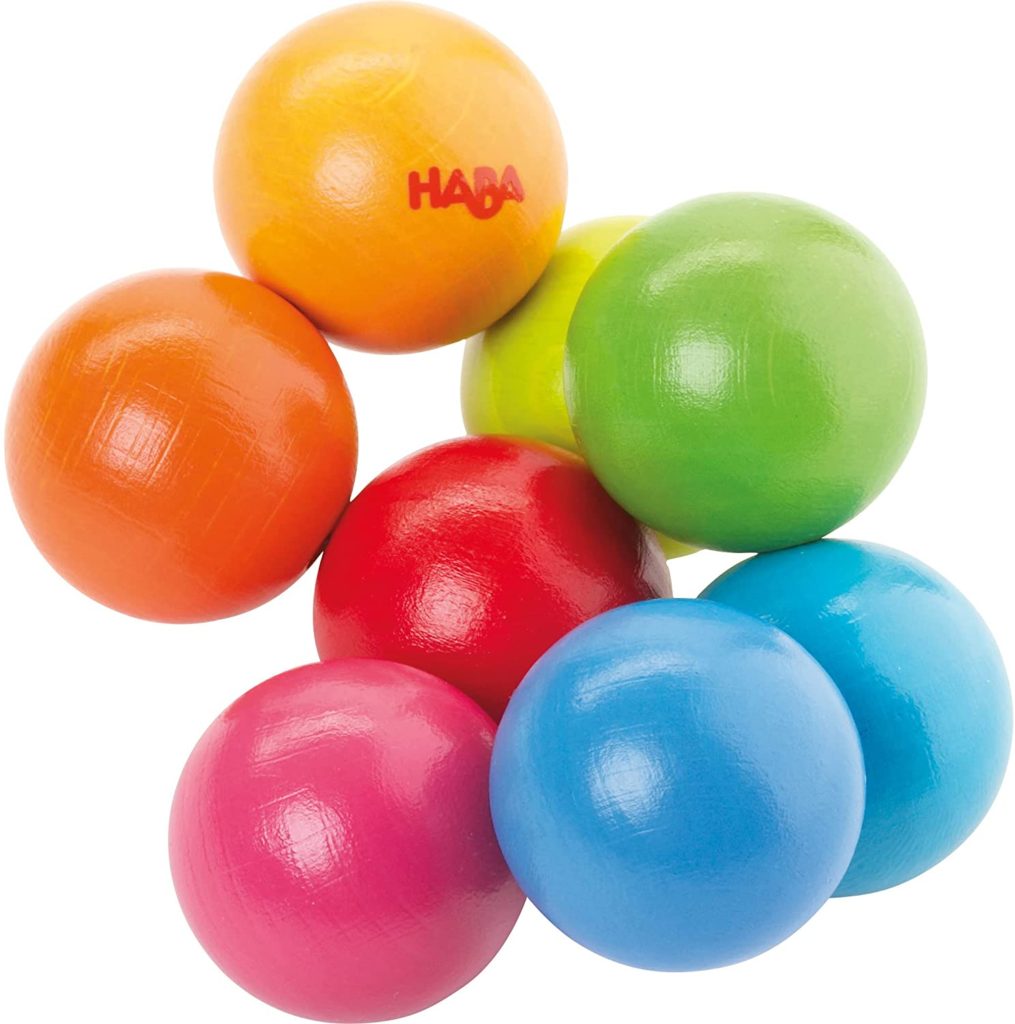
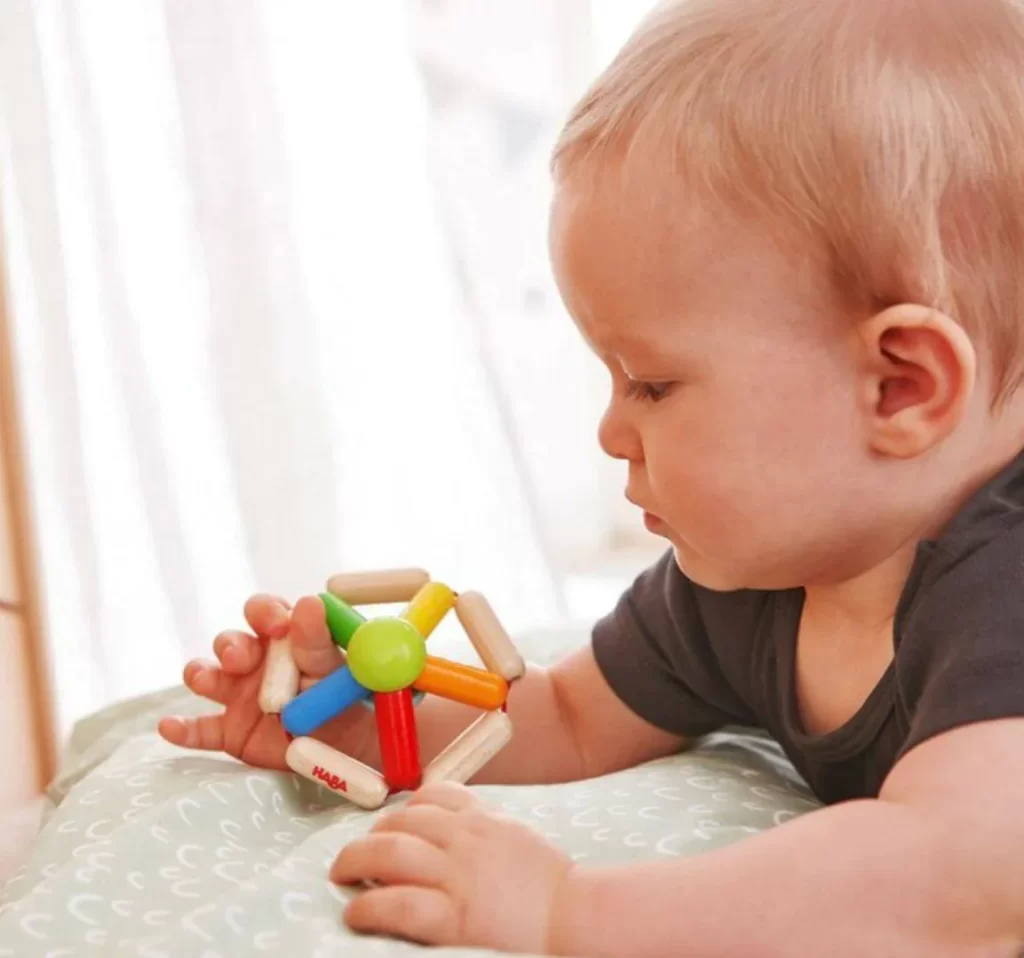
Companies such as PlanToys, Maple Landmark, and HABA focus on sustainable materials, safer finishes, and transparent manufacturing.
Many inexpensive toys sold online contain materials that may raise safety concerns for parents. Some toys are manufactured using plastics and chemical additives that can release harmful compounds over time.
Several substances that have raised concerns in children’s toys include:
While regulations such as the Consumer Product Safety Improvement Act (CPSIA) in the United States limit the use of many hazardous materials, inexpensive imported toys sometimes lack transparency about testing and materials.
Parents searching for non-toxic toys for babies should look for companies that disclose materials, safety certifications, and manufacturing practices.
Brands that use natural materials such as sustainably harvested wood, organic cotton, and water-based finishes often provide safer alternatives to inexpensive plastic toys.
I felt compelled to write this article after reviewing several best-selling baby toys on Amazon.
Some of these toys raised serious concerns about safety, transparency, and manufacturing practices.
If a toy raises red flags, my recommendation is simple: replace it with a safer alternative.
Not only can questionable toys pose risks for children, but the companies producing them often lack sustainable practices as well.
Many parents spend hours researching products to ensure they are safe, educational, and sustainable.
So why are questionable toys still selling in large quantities?
Is it price? Marketing? Or trust in Amazon's bestseller ranking?
Consumer demand ultimately drives manufacturing. If buyers stop purchasing unsafe products, manufacturers will shift production toward safer alternatives.
Even large toy manufacturers have faced recalls due to hazardous materials.
The question of toy safety is complex. Not every toy manufactured in China is unsafe. Many reputable toy companies operate factories there with strict oversight, quality control, and safety testing.
However, the rapid growth of global e-commerce marketplaces has created a new environment where thousands of anonymous manufacturers can sell products directly to consumers with minimal oversight.
This raises several important questions:
Ultimately, regardless of where responsibility falls, the consequences impact children, families, communities, and the environment.
Today, nearly three-quarters of toys worldwide are manufactured by China’s 10,000 toy manufacturers .
While some manufacturers operate responsibly, many operate with little transparency regarding materials, safety testing, or labor conditions.
This lack of transparency makes it extremely difficult for consumers to understand how toys are actually produced.
In 2007, one of the most significant toy safety incidents in history occurred when Mattel recalled more than 20 million toys globally.
The recalls involved multiple safety issues including:
The incident triggered global concern about toy manufacturing oversight.
After investigation, Mattel publicly accepted responsibility for failing to properly supervise overseas manufacturing operations.
The environmental impact of the toy industry is enormous.
According to Green Matters , the toy industry uses roughly 40 tons of plastic for every $1 million in revenue.
Today, more than 90% of toys sold worldwide are made from plastic.
Most plastics used in toys are derived from petroleum and are not biodegradable.
This means billions of toys eventually end up in landfills or ecosystems where they persist for hundreds of years.
In addition, plastic manufacturing releases numerous toxic emissions including:
These chemicals can impact both environmental and human health.
There is a hidden human cost behind extremely cheap toys.
Workers in some toy factories work extremely long hours under difficult conditions.
Reports from labor watchdog groups describe workers who:
One investigation described workers producing Disney dolls who earned roughly $0.01 per toy.
Those same toys often retail for $30-$40 in Western markets.
This enormous imbalance highlights the complex ethical issues embedded in global toy manufacturing.
Alibaba Group Holding Limited is a Chinese multinational technology company specializing in e-commerce, retail, internet services, and technology.
Alibaba operates one of the largest wholesale marketplaces in the world where manufacturers list products that can be purchased in bulk by resellers.
For many entrepreneurs and online sellers, Alibaba functions as a direct pipeline between Chinese factories and Western marketplaces.
AliExpress is a similar platform owned by Alibaba that allows small businesses in China and other countries to sell directly to international consumers.
AliExpress is often compared to eBay because individual sellers list products directly to buyers around the world.
Both platforms make it extremely easy for sellers to source products from factories and quickly begin selling them online.
As someone who operates an e-commerce business, I spent considerable time researching how products move from manufacturers to Amazon listings.
The process is surprisingly simple.
Many Amazon sellers have never even seen the physical products they sell.
The entire supply chain can operate without meaningful oversight or accountability.
This business model has allowed millions of inexpensive imported products to enter the marketplace very quickly.
If you search Alibaba for “inflatable tummy time mat,” you will see hundreds of listings for nearly identical products.
Many listings use the exact same photos, descriptions, and marketing language.
Prices for these items can be as low as $2 per unit when purchased in bulk.
Those same products are frequently sold on Amazon for $15-$20 each.
In many cases, the Amazon seller is simply acting as a reseller who has never visited the manufacturing facility or evaluated the product.
When toys are produced without meaningful oversight, several risks arise:
This environment creates the perfect conditions for unsafe products to enter the marketplace.
Consumers can often identify imported toys by looking for several common indicators.
Another helpful strategy is to click the “Sold by” link on Amazon product pages.
This reveals the seller’s registered business name and address.
In many cases, the listed company will be located in China with little additional information available.
Ultimately, the safest approach when buying toys for young children is to purchase from trusted brands that openly share information about their materials, manufacturing process, and safety standards.
If you are looking for safer alternatives, you can explore our curated collection of eco-friendly toys.
To better understand the quality of toys being sold online, I reviewed several best-selling toys on Amazon.
For each product, I examined the listing description, images, reviews, and manufacturer information to determine whether the products appeared safe and responsibly manufactured.
Before diving into the products themselves, it’s important to define what I consider a sustainable toy.
I wrote a detailed article on this topic here: What is a Sustainable Toy?
In short, a sustainable toy is made from natural or renewable materials such as wood, cotton, bamboo, or wool and manufactured in a way that minimizes environmental pollution and toxic chemical exposure.
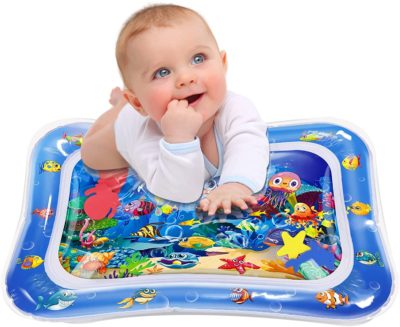
Promote your baby's sensory development with a soft water mat designed to strengthen neck and shoulder muscles while improving hand-eye coordination.
The listing repeatedly describes the mat as a “perfect sensory toy.”
However, sensory toys typically stimulate multiple senses such as sight, sound, texture, and interaction.
This product is essentially a PVC plastic pouch filled with water and printed graphics.
There are no objects to manipulate, grasp, or interact with in meaningful ways.
The mat is made from PVC plastic.
PVC has been associated with several concerns including the presence of phthalates and volatile organic compounds.
Several customer reviews mention leaking water and strong chemical odors.
There is essentially no transparency regarding the company or the manufacturing process.
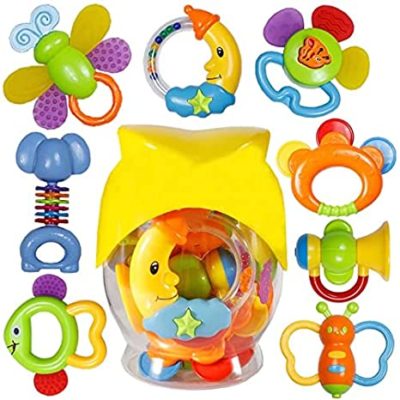
Baby teethers designed to stimulate sensory development with bright colors and grasp-friendly shapes.
The product description contains multiple grammar errors and confusing statements.
Despite the high sales volume, the listing provides almost no information about materials or manufacturing standards.
Nearly identical products appear on Alibaba from numerous manufacturers using the same images and designs.
Several reviews mention toys breaking apart or paint chipping off.
Again, there is very little transparency about the company producing the toy.
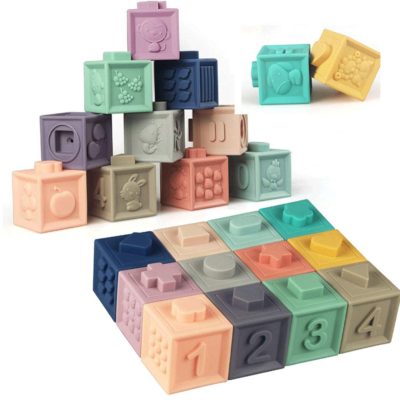
Montessori toys for babies featuring animal shapes, fruits, and numbers designed for early development.
The listing heavily uses keywords such as “Montessori,” “sensory,” and “teether.”
However, the description contains multiple spelling errors and vague claims about materials.
The blocks are advertised as silicone, but the listing does not specify the grade of silicone used.
Some reviewers report strong chemical smells from the product.
Once again, there is minimal information available about the company producing the product.
These examples illustrate a broader issue within the toy marketplace.
Large volumes of inexpensive toys are entering online marketplaces without clear information about materials, testing, or manufacturing oversight.
Parents should take extra care when purchasing toys for babies and young children.
Whenever possible, choose companies that clearly disclose their manufacturing process and safety standards.
If you are looking for safer alternatives, you can explore our curated collection of sustainable toys at The Baby Penguin Toy Store.
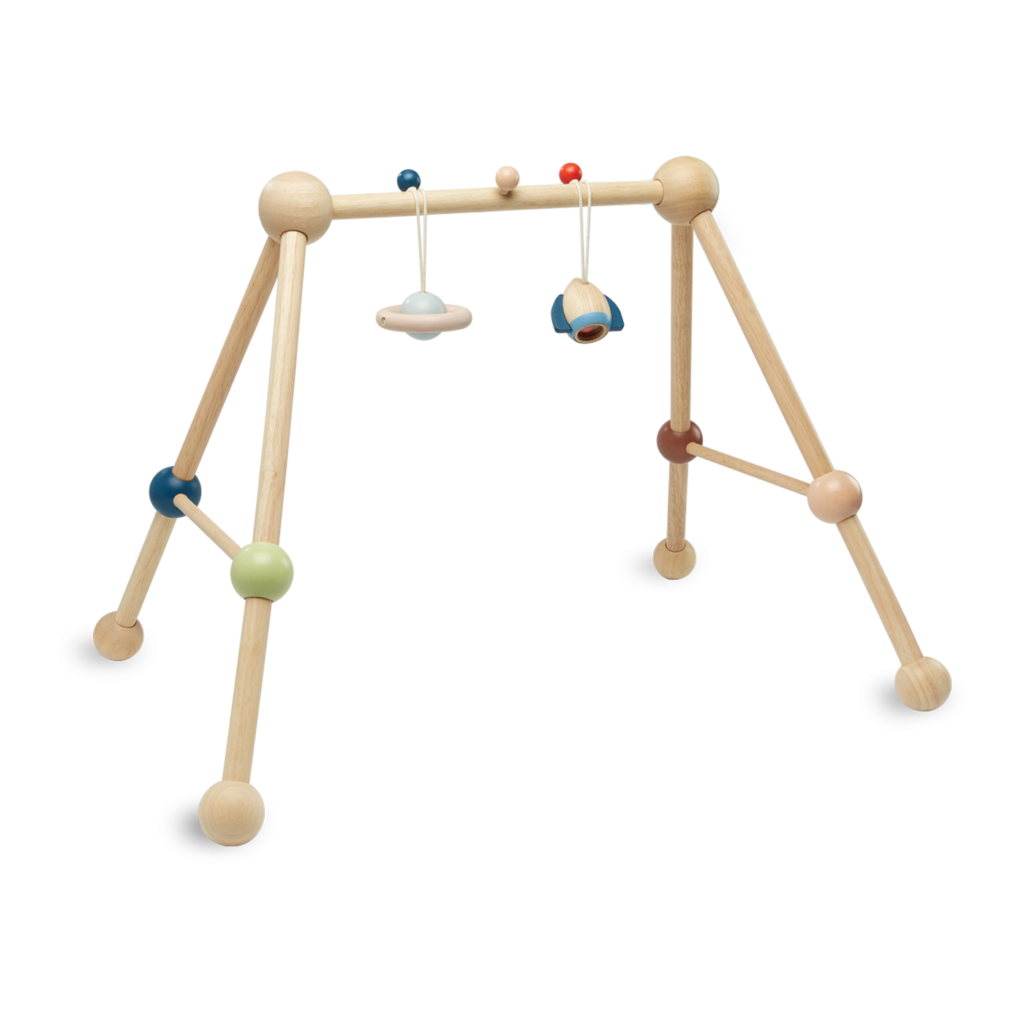
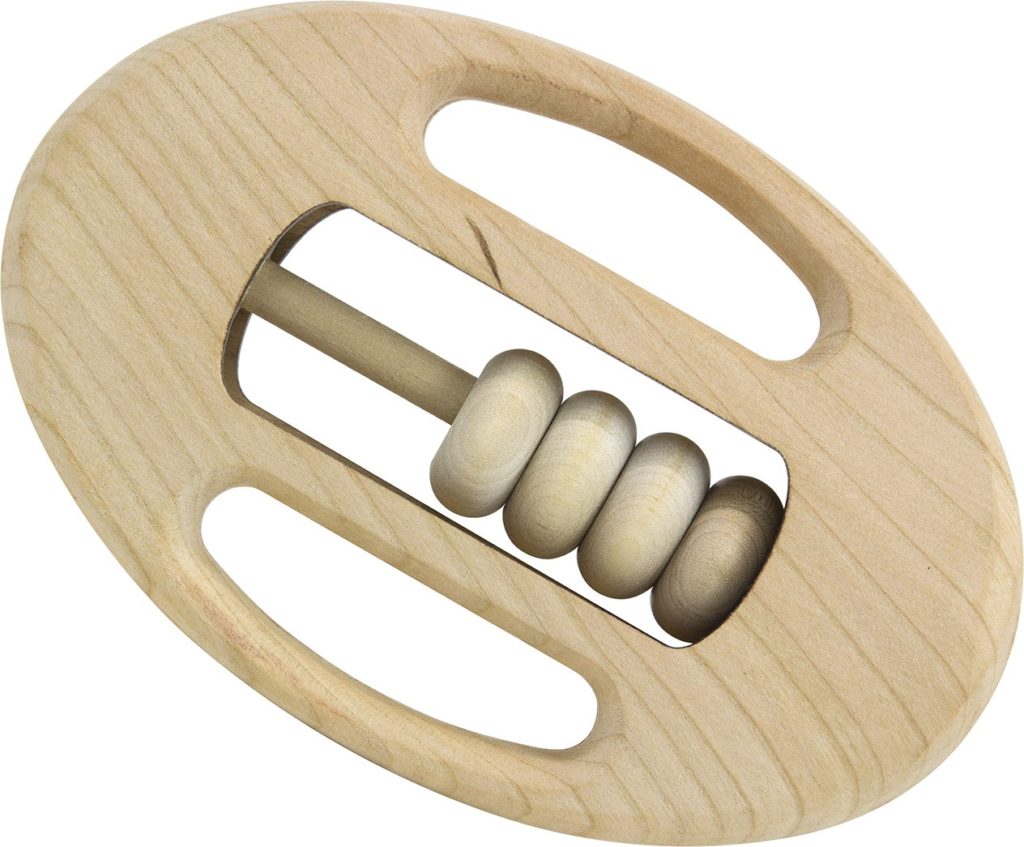
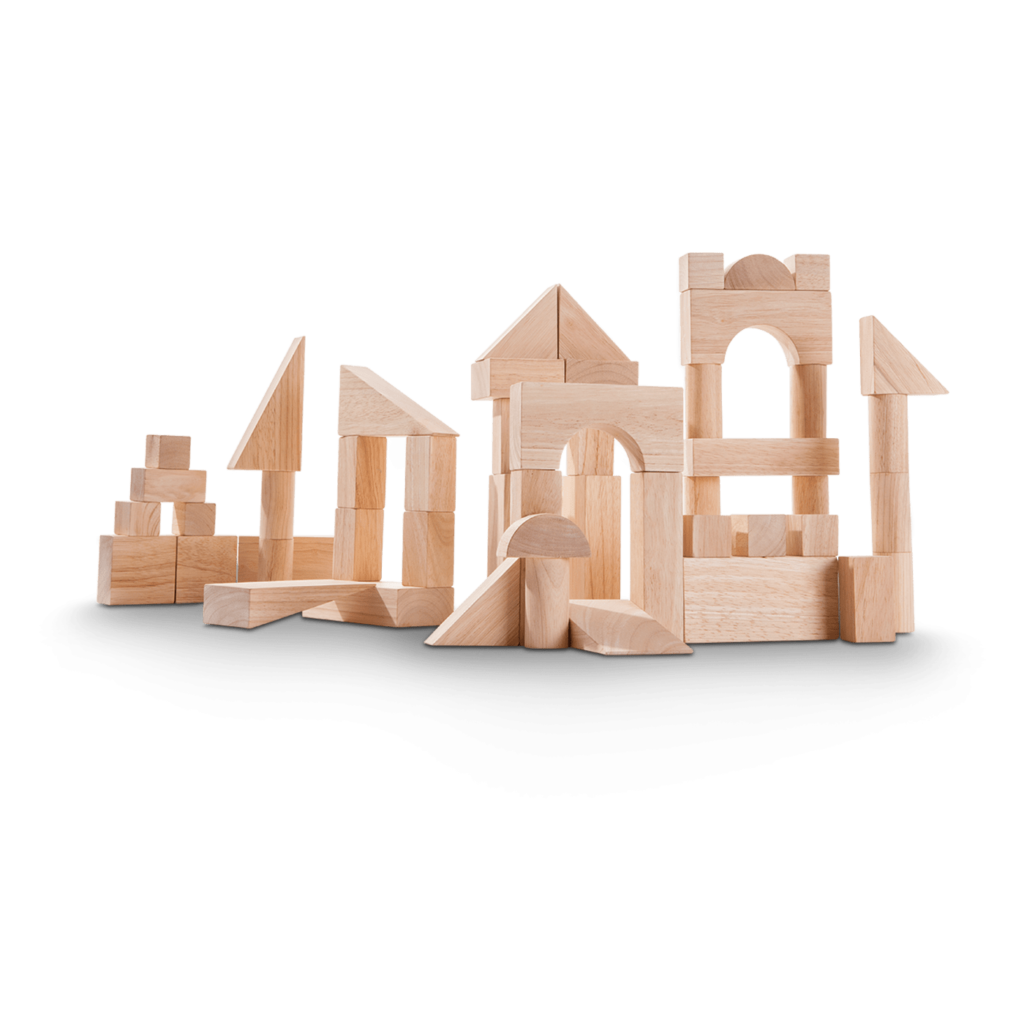
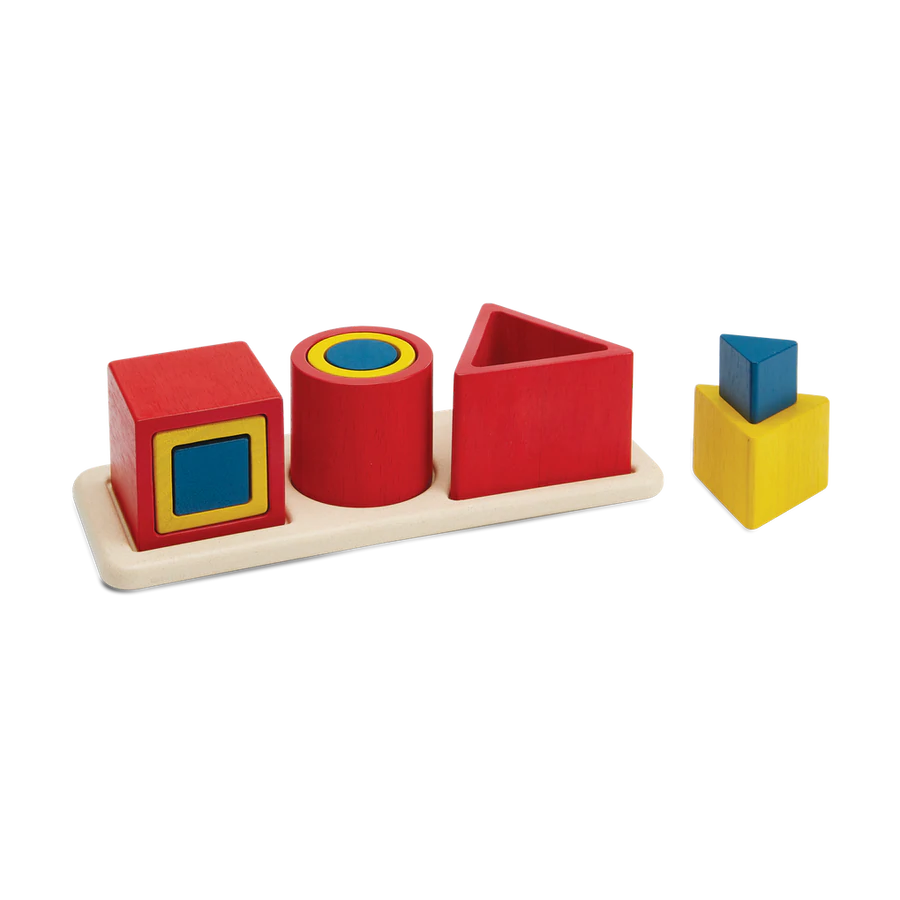
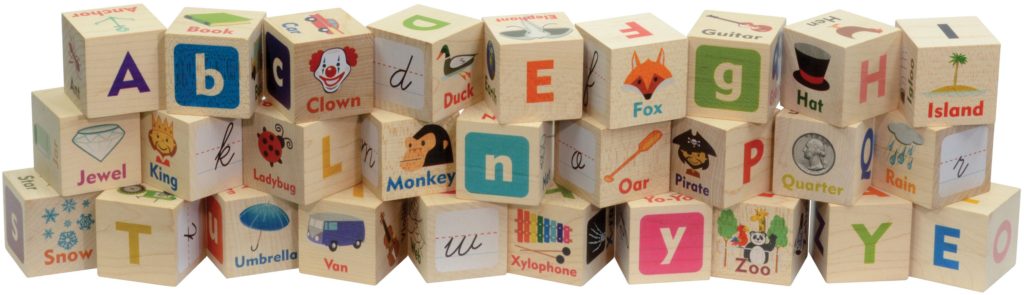
After reviewing unsafe toys flooding online marketplaces, it is important to highlight companies that prioritize safety, sustainability, and transparency.
These manufacturers design toys that encourage creativity and child development while minimizing environmental impact.
Instead of purchasing cheap plastic toys, consider sustainable alternatives designed to promote healthy child development.
This article was written by the team at The Baby Penguin, a sustainable toy store dedicated to researching and curating safe, eco-friendly toys for children.
Our store evaluates thousands of toys from manufacturers around the world and focuses on companies that prioritize:
Through our research into toy safety, manufacturing practices, and sustainability, we aim to help parents make informed decisions about the toys they bring into their homes.
You can explore our full collection of carefully selected toys at The Baby Penguin Toy Store.
Cheap toys manufactured with little transparency are flooding online marketplaces.
Parents should research toy materials, manufacturers, and certifications before purchasing toys for their children.
Sustainable toys offer safer materials, longer lifespans, and better developmental benefits.
By supporting companies that prioritize safety, sustainability, and craftsmanship, parents can help create a healthier toy industry.
Explore our full collection of eco-friendly toys at The Baby Penguin Toy Store .
